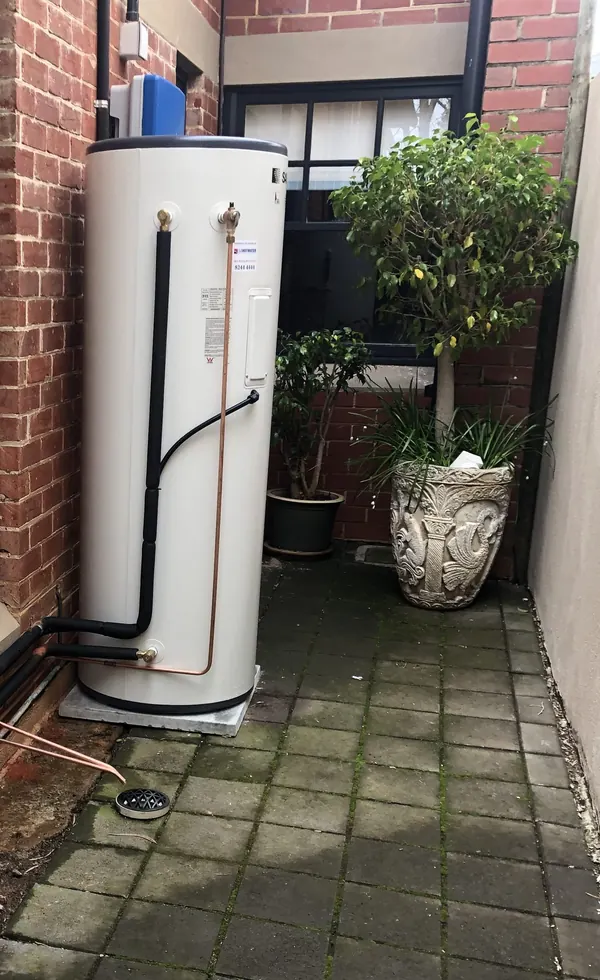
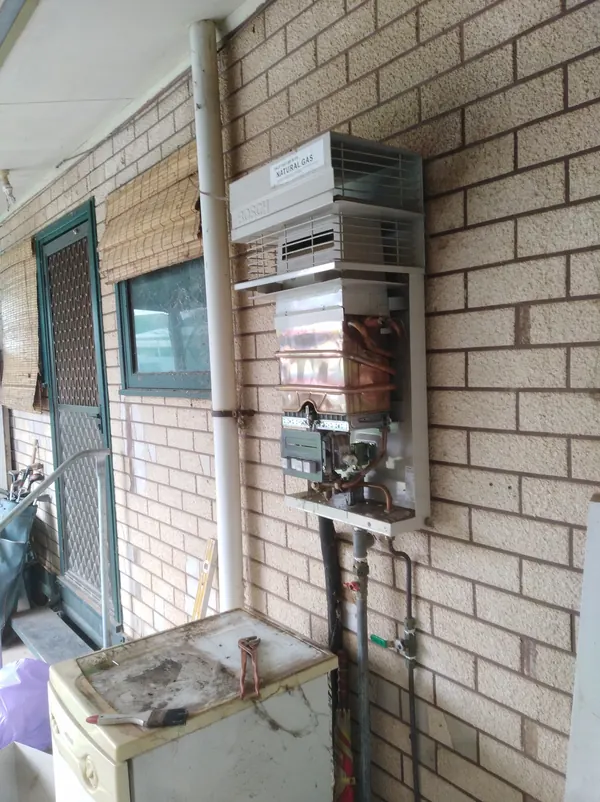
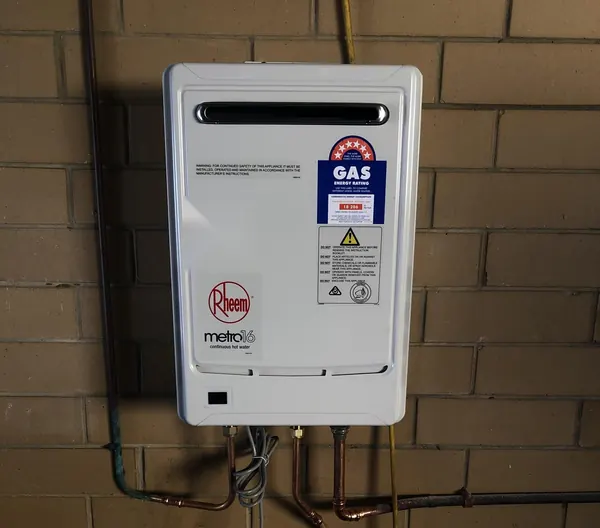
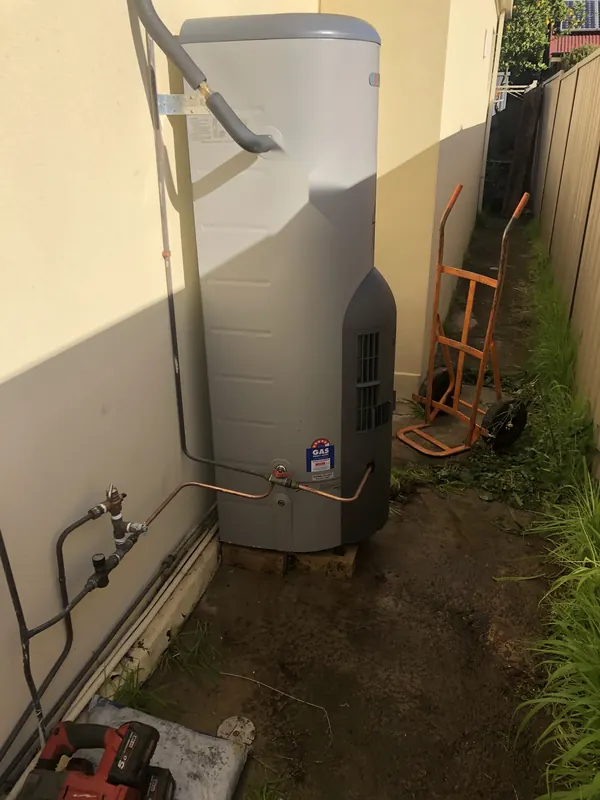
Generally, a hot water system lasts about as long as the warranty the manufacturer gives it. Storage tank warranties are commonly 5 to 10 years for glass-lined steel and 10 to 15 years for stainless steel. A well looked after system often goes longer, and a neglected one can fail sooner. Replace it when the tank itself leaks, the water turns rusty, or an older unit keeps breaking down. Better still, plan the replacement before it fails.
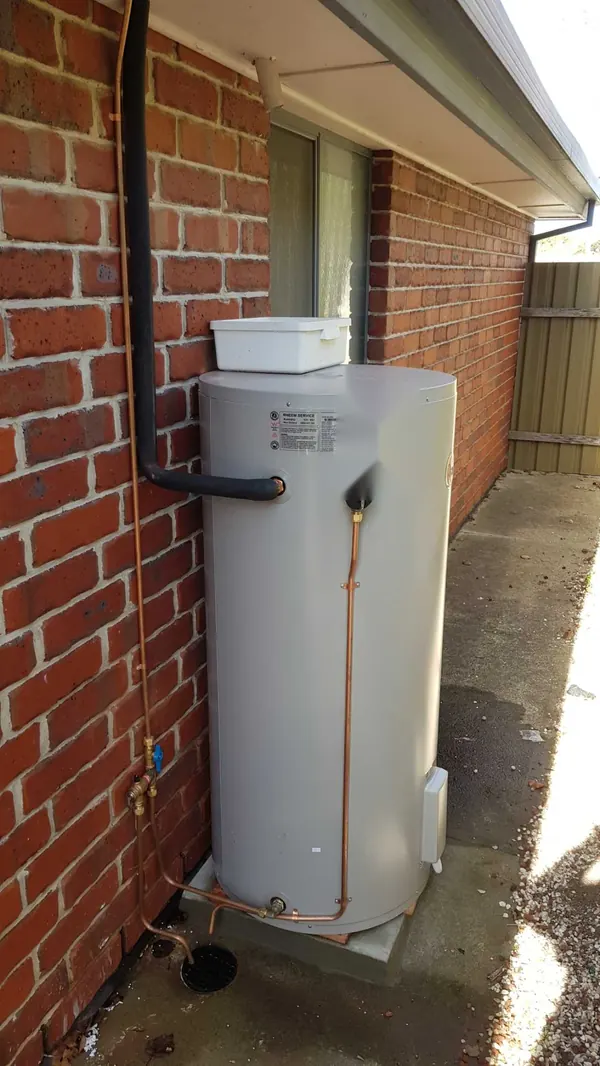
What decides how long yours lasts
- The tank. Most tanks are steel with a glass (enamel) lining. Premium tanks are stainless steel and usually carry longer warranties.
- The anode. Glass-lined tanks have a sacrificial anode, a metal rod that corrodes so the tank doesn't. Your Home says it needs replacing every few years. Once it's gone, the tank starts to rust from the inside.
- Your water. Hard water, with a lot of dissolved minerals, is tougher on tanks and fittings. Manufacturers can say which models suit your area.
- Servicing. Valves, anodes, burners and filters all wear. Following the maker's service guide catches small problems before they become a dead system.
- The type of system. A continuous flow unit has no tank to rust, but its heat exchanger, fan and controls still wear. Solar and heat pump systems have extra parts (collectors, pumps, compressors) to look after.
Check your system's age and warranty
The sticker plate on the side of the unit shows the brand, model and usually the date it was made. Warranties often differ for the tank and for parts and labour, so check the manual for your model. Many manuals are on our technical manuals page, or send us a photo of the plate and we will tell you what you have.
Signs it's time to replace
- Water leaking from the tank itself, or pooling under it. A leaking tank (not a valve) usually can't be repaired.
- Rusty or brown hot water. The inside of the tank may be corroding, often because the anode has worn away.
- It runs out much sooner than it used to. This can be a failing element or a build-up of sediment, or the household has simply outgrown it.
- Rumbling or popping noises from sediment in the bottom of the tank.
- Repeated repairs on a system that is past its warranty.
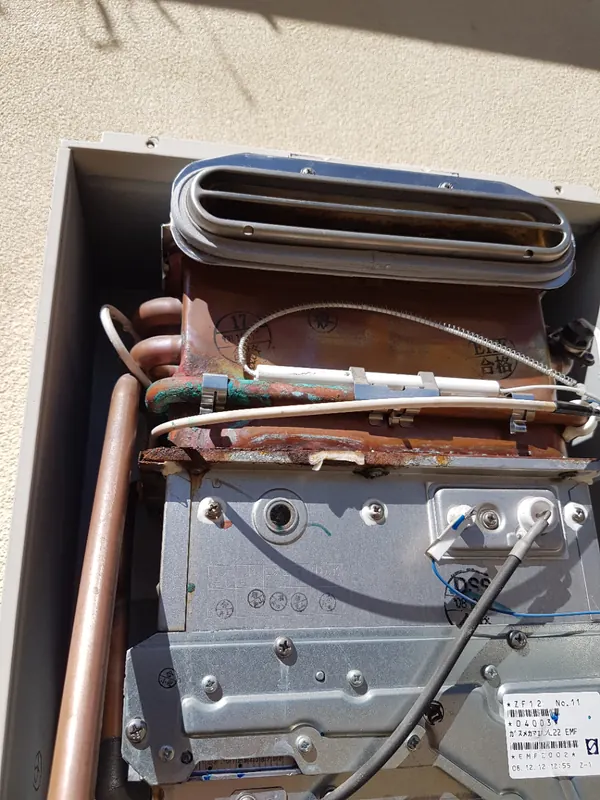
Repair or replace?
If the problem is a valve, element, thermostat or pilot part, and the tank is sound, a repair is usually worth it. These are routine parts and often fixed in one visit. If the tank itself is leaking, or the system is old and keeps failing, replacing it is normally better value. We tell you which way we would go, and why, before any work starts.
| What's wrong | Usually |
|---|---|
| Relief valve dripping constantly | Repair: the valve is a routine replacement |
| Electric tank gone cold | Repair if it's the element or thermostat and the tank is sound |
| Pilot won't stay lit | Repair: often the thermocouple or pilot assembly |
| Lukewarm showers | Repair: often the tempering valve |
| Water leaking from the tank body | Replace |
| Rusty water from an older tank | Replace, or at least get it checked before it leaks |
| Heat exchanger leaking on an older continuous flow unit | Often replace; we price both |
Plan it before it fails
When a hot water system dies on a cold morning, most people grab the quickest like-for-like swap. That is not always the best choice for the next ten years. If yours is getting on, think about the options now: a heat pump or solar could cut your running costs, and gas continuous flow could free up the space the tank takes. Our guide to heat pump vs gas vs electric running costs walks through them.
There is another reason to plan ahead: in South Australia, a like-for-like swap is not always allowed.
The SA rules when you replace
- What can go in. New homes, and existing homes connected to mains gas, generally need a low emission water heater when it is replaced: 5 star gas, solar, a heat pump or another approved type. Existing homes without mains gas can also choose a standard electric unit up to a set size. There are exceptions, and we check what applies to your home before we quote.
- A tempering valve. When a water heater is installed, replaced, changed to a different type or moved, a temperature control device such as a tempering valve is required, so bathroom taps deliver no more than 50°C. It isn't needed when only a valve, element or thermostat is replaced.
- A licensed plumber and a certificate. Only a licensed plumber can install a water heater (and a licensed gas fitter for gas work), and you should get an electronic Certificate of Compliance. Keep it with your house papers.
Helping a new system last
- Follow the maintenance steps in the owner's manual for your model.
- Have the anode checked on a glass-lined tank, and replaced before it is used up.
- Have the tempering valve tested every 12 months.
- Keep the area around the unit clear, and keep an eye out for drips, rust marks or new noises.
- Get small problems looked at early. A dripping valve is cheap to fix; a flooded laundry is not.
What a replacement looks like with us
We repair or replace hot water systems within 24 hours where available, and most customers get same day service. A straight swap of the same type and size is usually done in a few hours. Changing type, moving the unit or adding gas, power or plumbing work takes longer, and we tell you how long to expect when we quote. We disconnect the old unit, take it away, and test the new one before we leave.
We supply and install Rheem, Rinnai, Bosch, Dux, AquaMAX, Vulcan, Sanden, Reclaim, Midea and Apricus systems across Adelaide, including Salisbury, Modbury, Reynella and Morphett Vale. Call (08) 8444 7311, see hot water systems in Adelaide, or send us a photo of your unit and its sticker plate for a quote.
Common questions
How long do hot water systems last in Australia?
Generally about as long as the manufacturer's warranty. Storage tank warranties are commonly 5 to 10 years for glass-lined steel and 10 to 15 years for stainless steel. Water quality, the anode and servicing all make a difference.
Can a leaking hot water tank be repaired?
A leaking valve or fitting can usually be fixed. Water coming from the tank itself usually means the tank has failed and the system needs replacing.
Should I replace my hot water system before it fails?
If it is old, past its warranty or needing repeated repairs, planning ahead gives you time to choose a cheaper-to-run system and check what SA rules allow, instead of a rushed swap on a cold morning.
Do I need a tempering valve when I replace my hot water system?
Yes. In South Australia a temperature control device such as a tempering valve is required when a water heater is installed, replaced, changed type or moved, so bathroom taps deliver no more than 50°C.