For most Adelaide homes a heat pump is the cheapest hot water system to run, and solar hot water is close behind on a sunny roof. A conventional electric tank is the cheapest to buy but usually the dearest to run, unless it heats on off-peak power or from your own solar panels. Gas sits in the middle, and gas continuous flow uses less energy than a gas storage tank. The right answer for your house also depends on what you already have connected and on South Australia's rules for replacements.
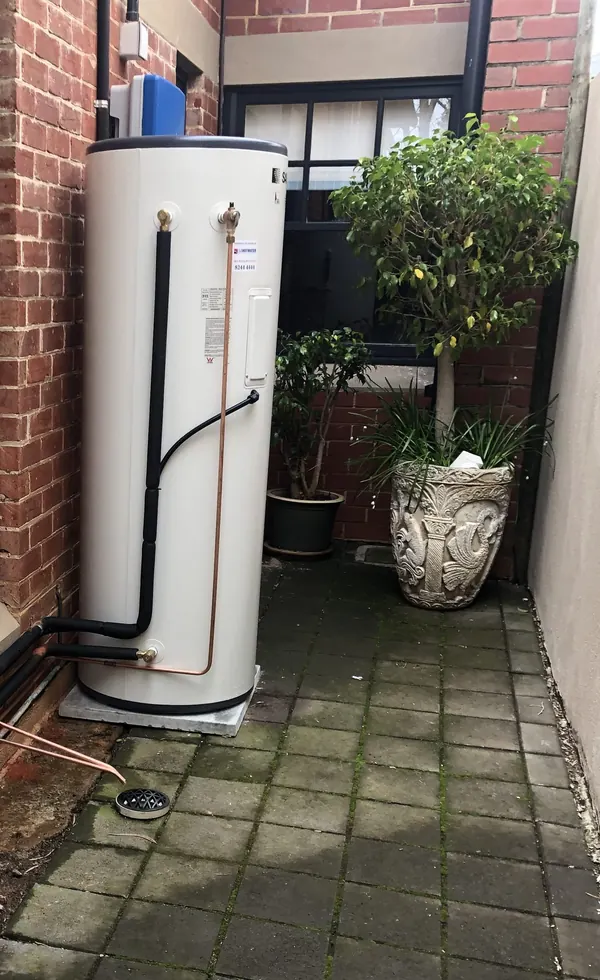
Running costs at a glance
| System | To buy and install | To run | Worth knowing |
|---|---|---|---|
| Heat pump | Higher | Low | Uses about 30% of the energy of a standard electric tank. Eligible models attract STCs. |
| Solar (boosted) | Highest | Low | Needs a sunny roof. A gas or electric booster tops it up in winter. |
| Gas continuous flow | Medium to high | Medium to high, less than gas storage | Heats only when a tap is on, so no tank to keep hot. Never runs out. |
| Gas storage | Medium | Medium to high | Loses a lot of heat from the tank, especially in cold weather. |
| Electric storage | Lowest | High, lower on off-peak or solar | Often limited as a replacement by SA rules (see below). |
A general guide based on energy.gov.au and Your Home, not our prices. Your own costs depend on your tariff, your household and how you use hot water.
Electric hot water: cheap to buy, dear to run
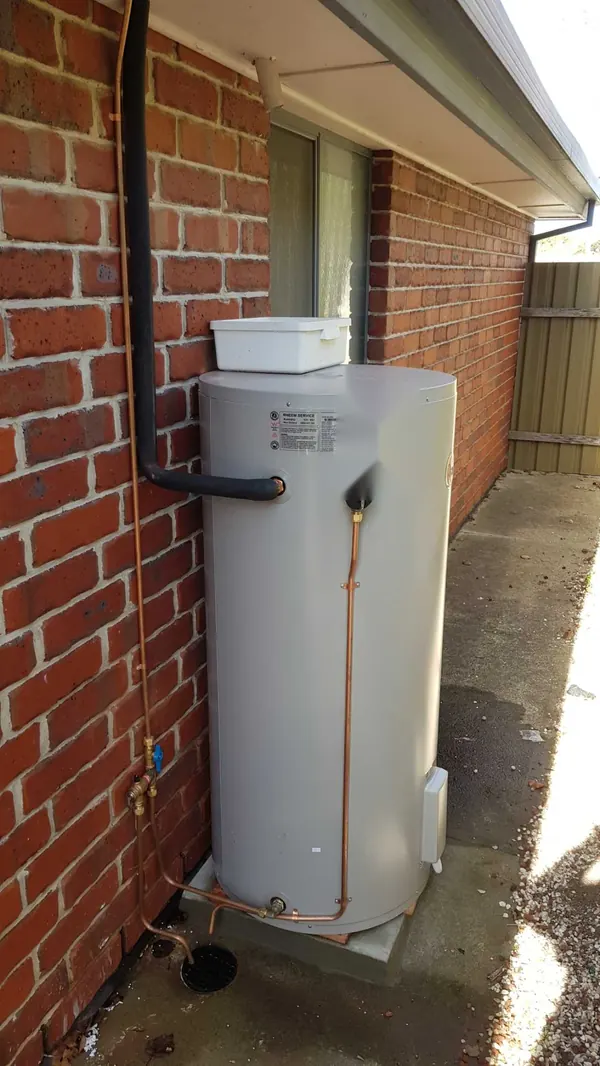
About half of Australian homes heat their water with an electric storage tank. It is the cheapest system to buy and install, but it heats water directly with an element, so it uses the most power. In our experience, the most expensive way to heat hot water is a conventional electric tank on a continuous (all day) tariff.
Two things bring that cost down:
- Off-peak (controlled load). The tank only heats when power is cheaper. On SA Power Networks' controlled load tariff the windows are overnight (11:30pm to 6:30am) and the middle of the day "solar sponge" window (9:30am to 4:30pm). Your retailer's times can differ. Off-peak suits tanks over about 250 litres, because the water has to last until the next heating window.
- Your own solar panels. An electric tank or heat pump set to heat in the middle of the day can run largely on power from your roof.
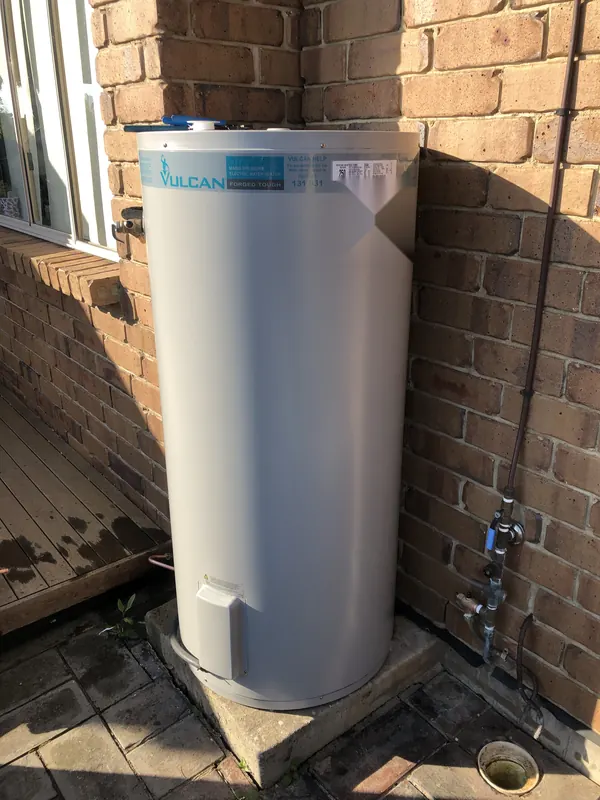
We supply and fit electric tanks from Rheem, Vulcan, Dux and AquaMAX. See our electric hot water systems page for the range.
Heat pump hot water: usually the cheapest to run
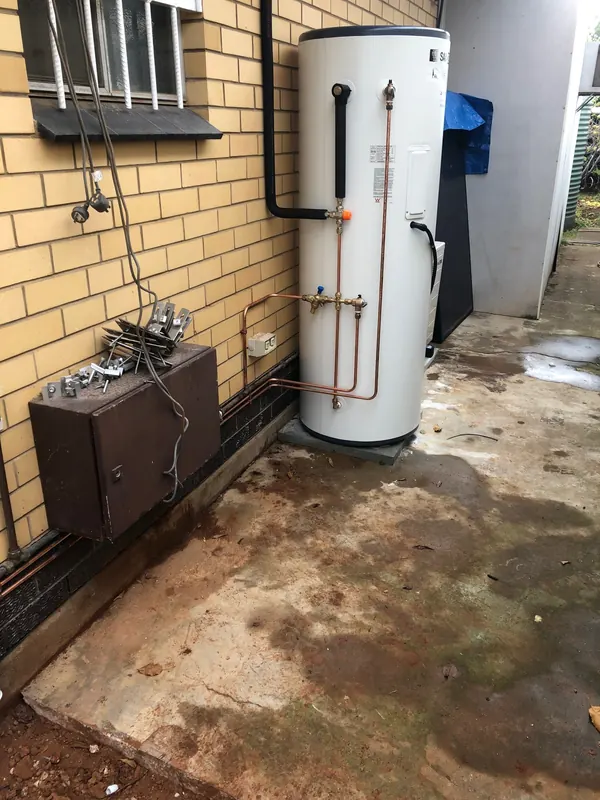
A heat pump works like a reverse cycle air conditioner. It pulls heat out of the outside air and moves it into the water, so it uses far less power than an element heating the water directly. The federal government's energy.gov.au puts it at about 30% of the energy of a conventional electric system. Pair it with solar panels and set it to run in the middle of the day, and the running cost drops again.
What to weigh up:
- Upfront price. Heat pumps cost more to buy and install than a standard electric tank, though eligible models attract government incentives (more below).
- Cold mornings. Adelaide's climate suits heat pumps well. If you are up in the Adelaide Hills, where winter nights get colder, choose a model built for cold weather. We can talk you through it for Adelaide Hills and Mount Barker homes.
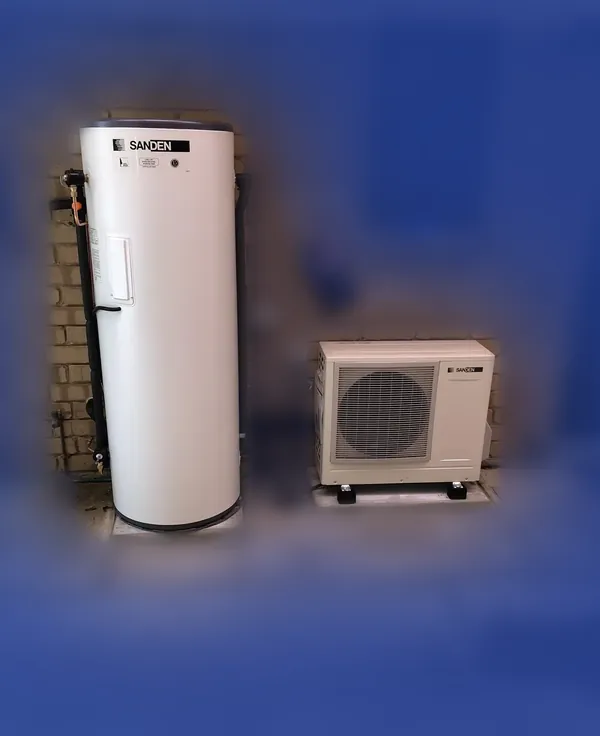
- Noise and placement. The fan sounds like the outdoor part of a split system air conditioner. An all-in-one (integrated) unit has it on top of the tank; a split system has a separate outdoor unit that can sit lower and further from bedrooms.
We install and service heat pumps from Sanden, Reclaim, Midea, Rheem and Apricus. More on our heat pump hot water page.
Gas hot water: continuous flow or storage
Gas has medium to high running costs, depending on the unit and your gas price. In our experience a 5 star gas system costs about the same to run as a conventional electric tank on off-peak.
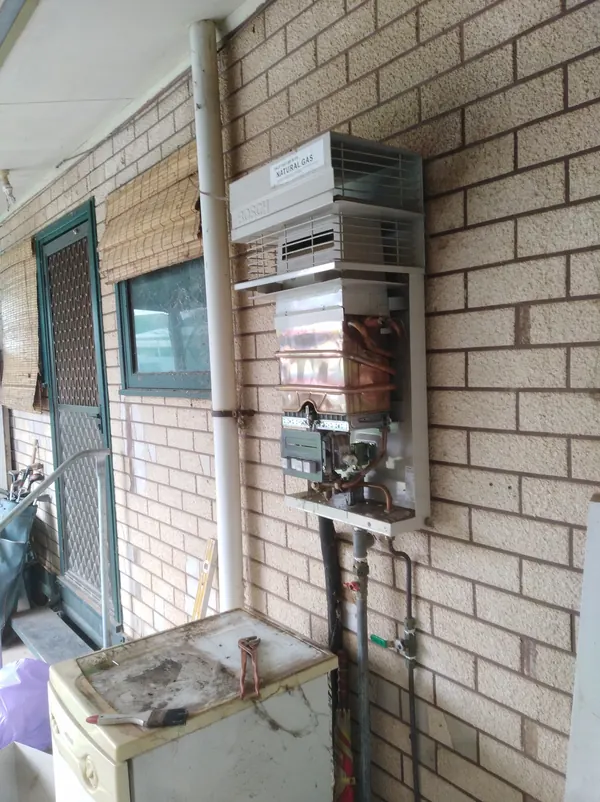
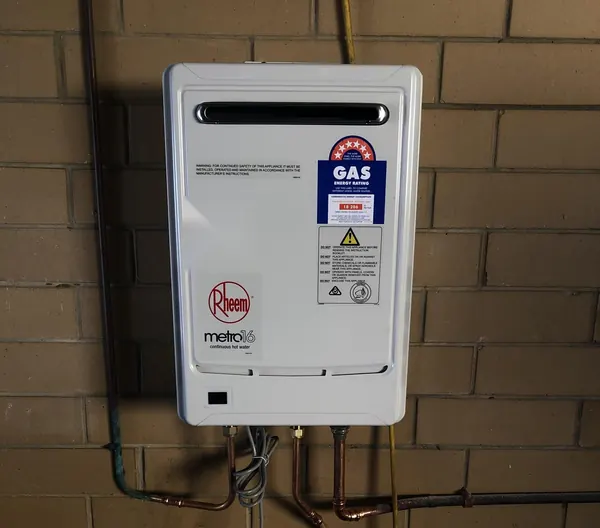
- Continuous flow (also called instant) heats water only while a tap is on. There is no tank losing heat, and it never runs out. It is the most common type of gas water heater.
- Gas storage keeps a tank of water hot. The base of the tank can't be insulated where the burner sits, so it loses a lot of heat, especially in cold weather.
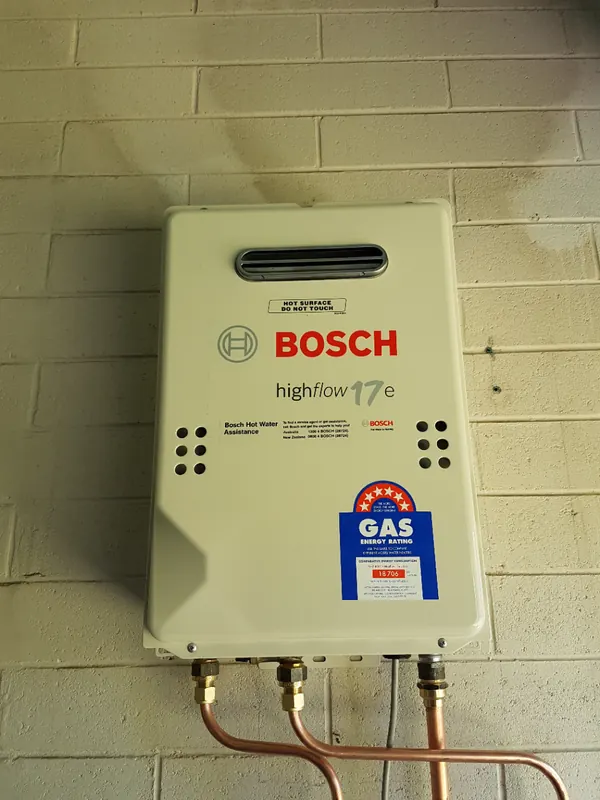
Plenty of homes on Adelaide's fringe run on bottled LPG instead of mains gas. Both work. With LPG, running costs depend on your bottle deliveries, so factor that in. We supply and repair gas units from Rinnai, Rheem, Bosch, Dux and AquaMAX. See gas hot water systems, or our guide to continuous flow vs storage.
Solar hot water: free heat from the sun, with a booster
Solar collectors (flat panels or evacuated tubes) heat the water, and a gas or electric booster tops it up when the sun isn't enough. Your Home says solar can supply up to 90% of a home's hot water, depending on the climate, and Adelaide gets plenty of sun. It costs the most to buy and install, and it needs a good north-facing roof without much shade.
The booster setting makes a big difference to running costs, so it is worth getting it checked. We supply Apricus evacuated tube and Rheem solar systems. See solar hot water.
Already have solar panels?
Many homes with rooftop solar are better off with a heat pump, or an electric tank, set to heat in the middle of the day using power from the panels. That is often simpler than adding solar hot water collectors to the roof as well. We look at your panels, your roof and how your household uses hot water before recommending one.
The SA rules come first when you replace
South Australia has rules on which water heaters can go into homes. New homes, and existing homes connected to mains gas, generally need a low emission type when the water heater is replaced: 5 star gas, solar, a heat pump or another approved type. Existing homes without mains gas can also choose a standard electric unit up to a set size. There are exceptions, so we check what applies to your home before we quote.
Only a licensed plumber can install a water heater, and you should get an electronic Certificate of Compliance for the job. A new or replaced system also needs a tempering valve so bathroom taps deliver no more than 50°C.
Rebates and incentives
- STCs. Eligible heat pump and solar water heaters create small-scale technology certificates under the federal scheme. They are usually taken off the price up front. The number depends on the model and your location, and it reduces each year until the scheme ends in 2030.
- REPS. South Australia's Retailer Energy Productivity Scheme (2026 to 2030) includes replacing or upgrading a water heater. Offers vary between energy retailers.
Amounts change, so we confirm what applies to your system when we quote. More on our rebates page.
So which is cheapest for your home?
- Busy family on mains gas, no solar panels: compare a heat pump with a 5 star or better gas continuous flow unit. The heat pump usually wins on running costs; gas never runs out.
- Home with solar panels: a heat pump set to run during the day is hard to beat.
- One or two people, small hot water use: the running cost gap is smaller, so the upfront price matters more. Check what the SA rules allow first.
- Old electric tank on an all day tariff: this is usually the dearest set-up to run. Even moving it to off-peak helps, and a heat pump helps more.
Not sure? Call us on (08) 8444 7311 and we will talk you through the options for your house, or send us a photo of your current unit. We cover all of Adelaide, from Gawler to Victor Harbor and Mount Barker.
Common questions
What is the cheapest hot water system to run in Adelaide?
For most homes a heat pump is the cheapest to run, because it uses about 30% of the energy of a conventional electric tank. Solar hot water is also cheap to run on a sunny roof. A conventional electric tank on an all day tariff is usually the most expensive.
Is gas or electric hot water cheaper to run?
In our experience, a 5 star gas system costs about the same to run as a conventional electric tank on off-peak. An electric tank on an all day tariff costs more. A heat pump usually beats both.
Is a heat pump worth it if I have solar panels?
Usually, yes. Set the heat pump to run in the middle of the day and much of its power comes from your own panels, so the running cost drops even further.
Can I replace my electric hot water system with another electric one in SA?
It depends on your home. Homes connected to mains gas generally need a low emission type (5 star gas, solar, heat pump or another approved type). Homes without mains gas can also choose a standard electric unit up to a set size. We check what applies before we quote.