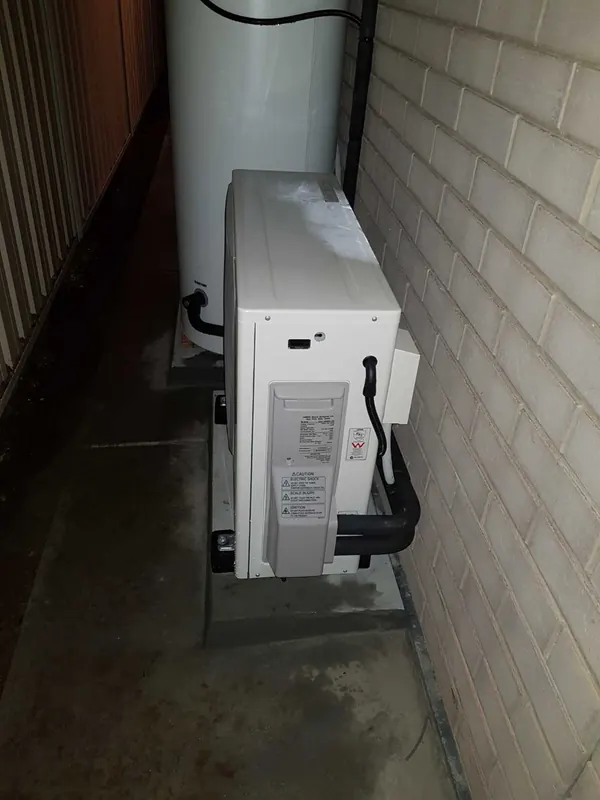
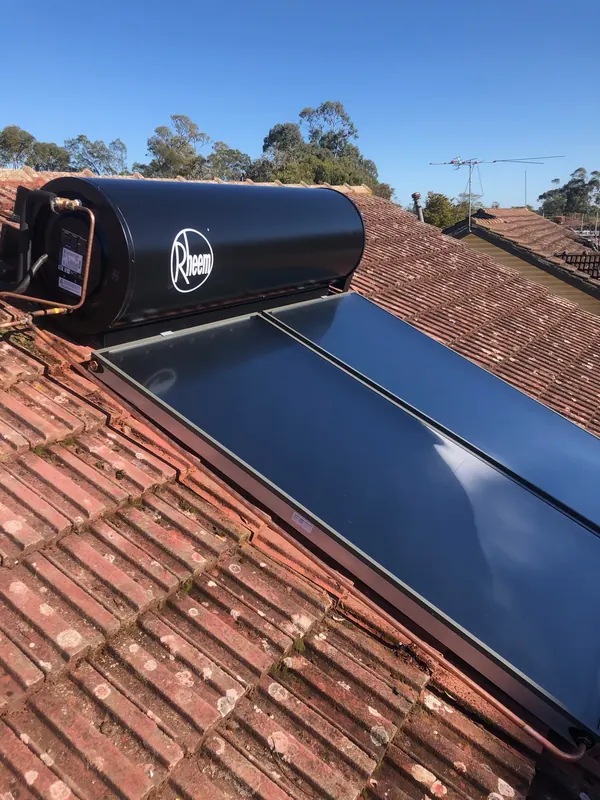
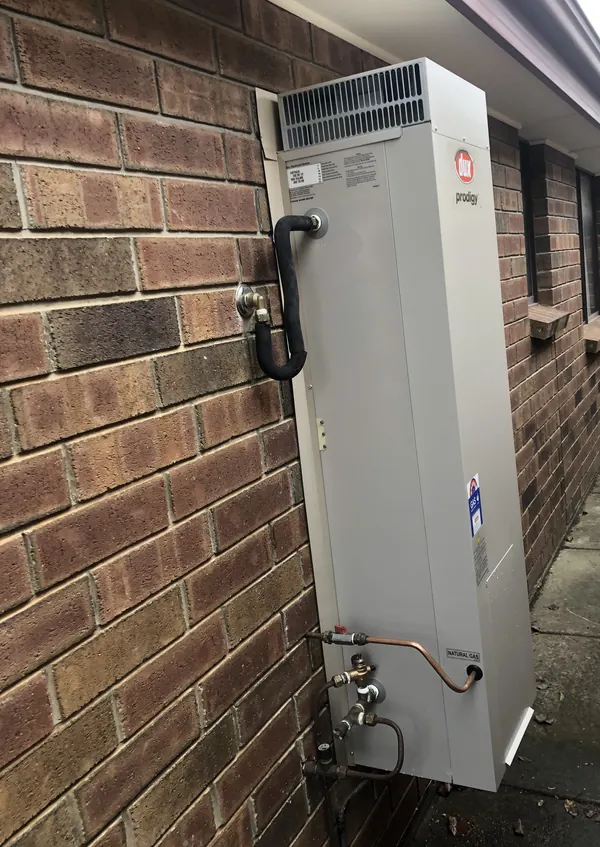
The right size depends on how many people live in the house, how many bathrooms you have and how much hot water you use at once. As a rough guide, a household of 3 to 4 people needs about 160 to 250 litres for an electric tank, 250 to 280 litres for a heat pump, or a 20 litre continuous flow unit. Too small and you run out; too big and you pay to heat water you never use. We size every system on your home before we quote: call (08) 8444 7311.
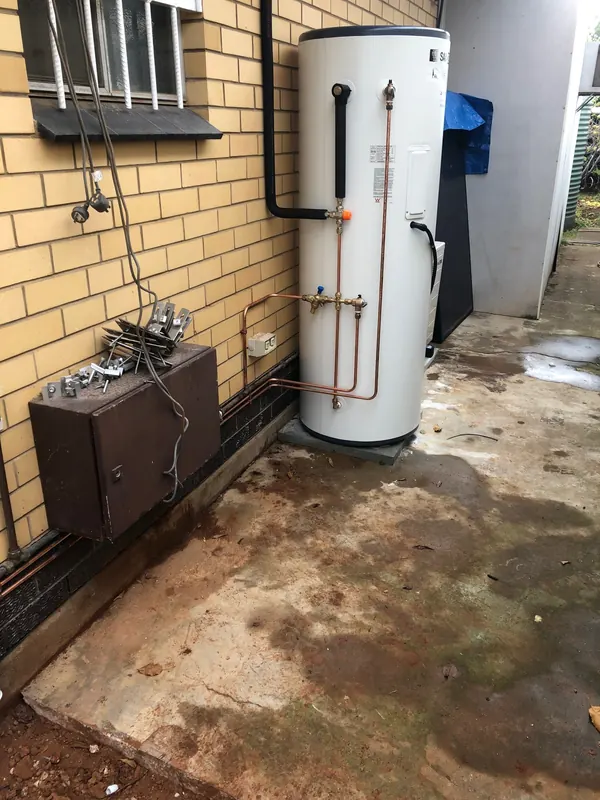
Three things that decide the size
- People. More people means more showers, washing and dishes, so more hot water each day.
- Peak demand. Two showers running at once, or back-to-back showers before school, matter more than the daily total. This is what a continuous flow unit is sized on.
- How the system heats. An off-peak electric tank only heats during set hours, so it has to hold a full day's water. A gas tank or heat pump reheats through the day, and a continuous flow unit heats water as you use it.
Electric storage tanks
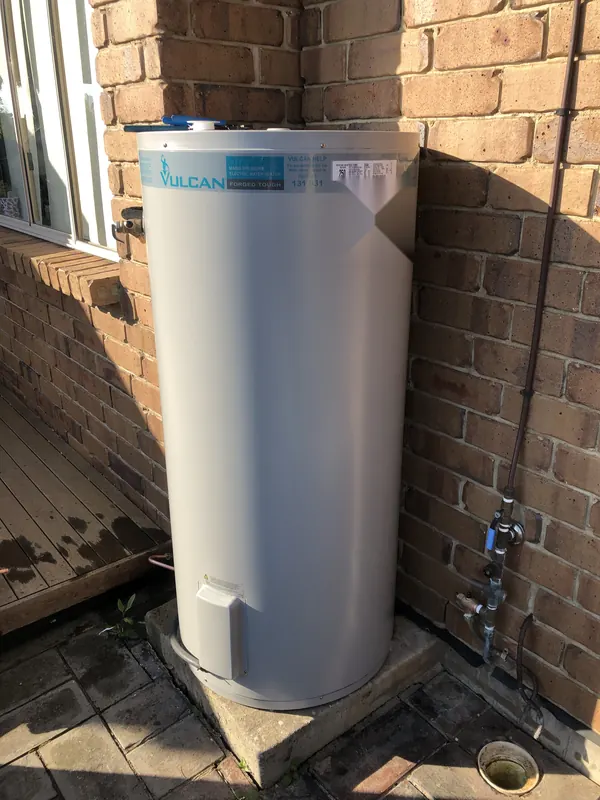
Electric tanks are sized in litres. Our general guide:
- 1 to 2 people: 80 to 125 litres
- 2 to 3 people: 125 to 160 litres
- 3 to 4 people: 160 to 250 litres
- 4 to 5 people: 250 to 315 litres
- 5 or more people: 315 litres or larger
Off-peak matters here. On SA Power Networks' controlled load tariff the tank heats overnight (11:30pm to 6:30am) and in the middle of the day (9:30am to 4:30pm), though your retailer's times can differ. Outside those windows you only have what is already in the tank, which is why off-peak homes often go a size up. With a standard 3.6 kW element, a 250 litre tank takes about 4 to 5 hours to heat from cold and a 315 litre tank about 5 to 6 hours. See our electric hot water systems.
Heat pumps
Heat pumps also store water in a tank, but they heat it far more efficiently. Our general guide:
- 1 to 2 people: 160 to 180 litres
- 3 to 4 people: 250 to 280 litres
- 5 or more people: 300 to 315 litres or larger
Most heat pumps take about 3 to 6 hours to heat a full tank from cold, depending on the brand, tank size and the weather. Premium systems such as Sanden and Reclaim heat faster and perform well in cold conditions, which suits homes in the Adelaide Hills and Mount Barker. We also look at the heat pump's recovery rate, not just the tank, so a busy morning doesn't leave the last person with a cold shower. See our heat pump hot water systems.
Gas continuous flow
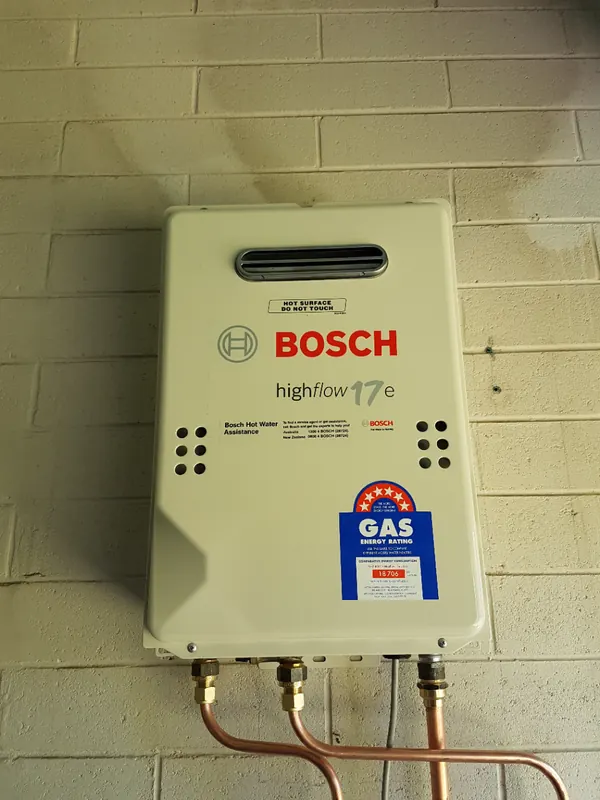
Continuous flow (instant) units have no tank, so they are sized by how many litres of hot water they deliver per minute, not by how much they store. Our general guide:
- 16 litre: smaller households with one bathroom and modest hot water use
- 20 litre: a popular choice for average-sized households
- 26 litre: larger families, several bathrooms, or homes where several showers and taps run at once
A bigger unit needs more gas. Moving up to a 26 litre model, for example, can mean upgrading the gas pipe from the meter, so we check your gas supply and pipework and tell you about any extra work before we start. Our guide to continuous flow vs storage explains when a tank still makes more sense, and you can compare Rheem continuous flow, Rinnai, Bosch and Dux units with us.
Signs your current system is too small
- The hot water runs out before everyone has showered.
- An off-peak tank is empty by the evening and only comes back the next day.
- The family has grown, or you have added a bathroom, since the system went in.
Running out of hot water isn't always about size. A failing element, thermostat or tempering valve can cause the same thing, so it is worth having the system checked first. Our trouble shooting page and no hot water checks are a good start.
Bigger isn't always better
An oversized tank keeps heating water you don't use, and that costs you every day. The aim is enough hot water for your busiest time without paying for more. If running costs are the bigger question, our guide on heat pump vs gas vs electric compares them.
SA rules can change the answer
South Australia has rules on which water heaters can go into homes. Homes connected to mains gas generally need a low emission type, such as 5 star gas, solar or a heat pump, and standard electric units are limited to a set size in homes that can choose them. So the right size can also depend on which type you are allowed to install. We check what applies to your home before we quote.
Let us size it for you
Tell us how many people live in the house, how many bathrooms you have and what system you have now. A photo of the unit and its sticker plate helps. We will recommend the right type and size and give you an indicative price over the phone. We work Monday to Friday across Adelaide, and we take your old system away free.
Common questions
What size hot water system does a family of 4 need?
As a general guide, a family of 3 to 4 needs about 160 to 250 litres for an electric tank, 250 to 280 litres for a heat pump, or a 20 litre continuous flow unit. Bathrooms, shower habits and off-peak power can change that, so we size it on your home.
Is a 250 litre hot water system big enough?
For most 3 to 5 person homes, yes. On an off-peak electric tank a larger household may need 315 litres, because the tank only heats during set hours.
What size continuous flow hot water system do I need?
A 16 litre unit suits smaller one bathroom homes, 20 litres suits most average households, and 26 litres suits larger families or homes where several showers and taps run at once. A 26 litre unit may need a bigger gas pipe.
Can I replace my hot water system with a bigger one?
Usually, yes. We check the space, the power or gas supply and what South Australia's rules allow for your home, then recommend the right size before we quote.